Archives
- 2026-07
- 2026-06
- 2026-05
- 2026-04
- 2026-03
- 2026-02
- 2026-01
- 2025-12
- 2025-11
- 2025-10
- 2025-09
- 2025-03
- 2025-02
- 2025-01
- 2024-12
- 2024-11
- 2024-10
- 2024-09
- 2024-08
- 2024-07
- 2024-06
- 2024-05
- 2024-04
- 2024-03
- 2024-02
- 2024-01
- 2023-12
- 2023-11
- 2023-10
- 2023-09
- 2023-08
- 2023-07
- 2023-06
- 2023-05
- 2023-04
- 2023-03
- 2023-02
- 2023-01
- 2022-12
- 2022-11
- 2022-10
- 2022-09
- 2022-08
- 2022-07
- 2022-06
- 2022-05
- 2022-04
- 2022-03
- 2022-02
- 2022-01
- 2021-12
- 2021-11
- 2021-10
- 2021-09
- 2021-08
- 2021-07
- 2021-06
- 2021-05
- 2021-04
- 2021-03
- 2021-02
- 2021-01
- 2020-12
- 2020-11
- 2020-10
- 2020-09
- 2020-08
- 2020-07
- 2020-06
- 2020-05
- 2020-04
- 2020-03
- 2020-02
- 2020-01
- 2019-12
- 2019-11
- 2019-10
- 2019-09
- 2019-08
- 2019-07
- 2019-06
- 2019-05
- 2019-04
- 2018-11
- 2018-10
- 2018-07
-
Another important new result that has expanded the range
2020-03-18
Another important new result that has expanded the range of functions of iPLA2-VIA in physiology and pathophysiology is its implication in macrophage polarization under stimulation conditions. Ashley et al. [129] described in peritoneal macrophages from Pla2g6−/− mice that the absence of iPLA2-VIA f
-
Enzyme selectivity of many enzymes like galactosidases acyla
2020-03-18
Enzyme selectivity of many hoechst like β-galactosidases, acylases, epoxyhydrolases, lipases, etc. has also been modulated by using different immobilization techniques. It can result in the selection of optimal biocatalyst for different processes. This has many advantages over strategies like genet
-
br Conflict of interest statement br References and recommen
2020-03-18
Conflict of interest statement References and recommended reading Papers of particular interest, published within the period of review, have been highlighted as: Acknowledgements We acknowledge financial support by the Swiss State Secretariat for Education, Research and Innovation (Federal
-
br Materials and methods br Results and discussion br
2020-03-18
Materials and methods Results and discussion Conclusion The glycyl endopeptidase from papaya latex was partitioned using aqueous two-phase (10%PEG 6000–10% (NH4)2SO4) in combination with ammonium sulphate precipitation (40–60% saturation). The partially purified glycyl endopeptidase showed
-
Recent results from our group
2020-03-18
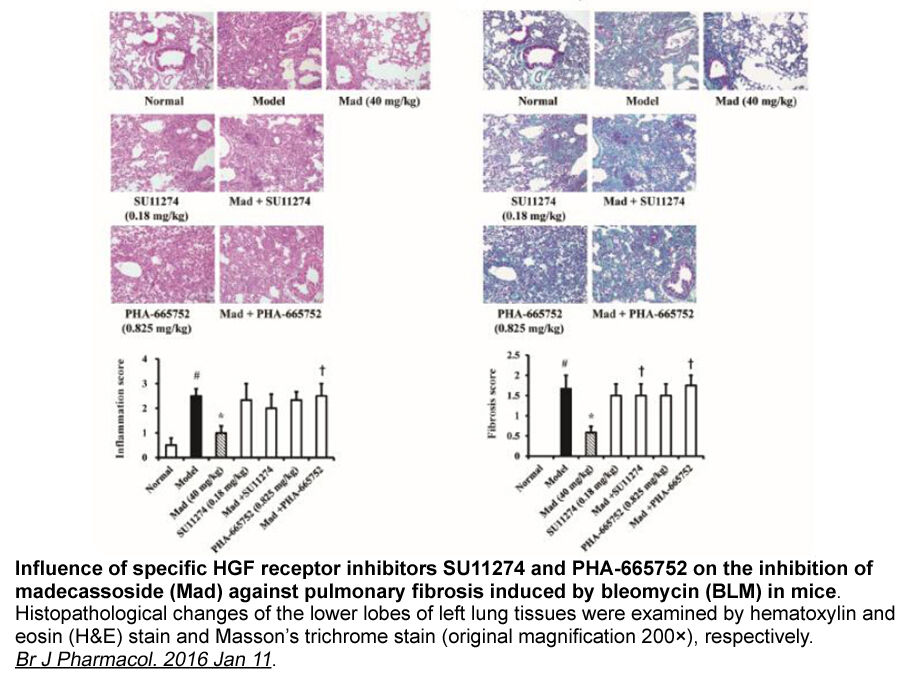
Recent results from our group found that SPMs, not only play a part in terminating inflammation, but also have a physiological role in conjunctival goblet Coumarin mg to maintain ocular surface health in the absence of disease. Amongst the SPMs that are effective in the conjunctiva are resolvin D1
-
In addition to G coupling it is important to consider
2020-03-18
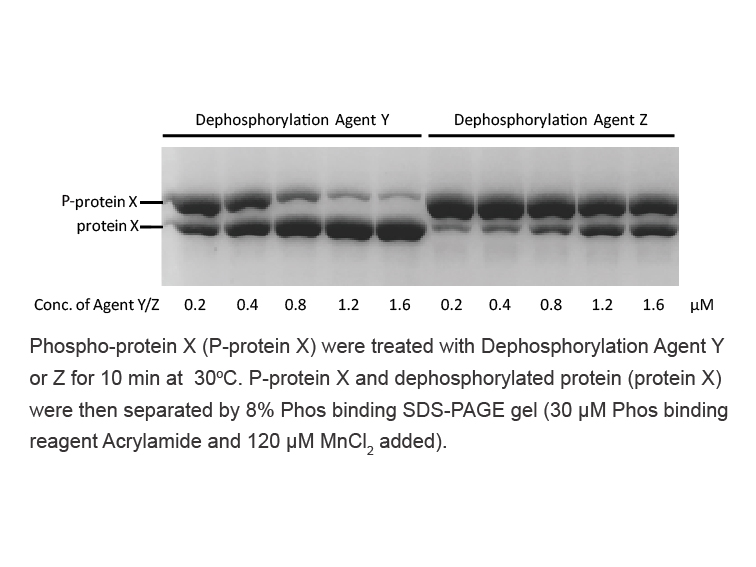
In addition to Gα coupling, it is important to consider that the transition from goal-directed to habitual drug taking also relies on striatal D2R-A2AR heterodimers. Following cocaine self-administration, D2R-A2AR density is increased in the NAc, leading to greater antagonism of the inhibitory (anti
-
Unlike the CRF receptor the CRF a receptor
2020-03-17
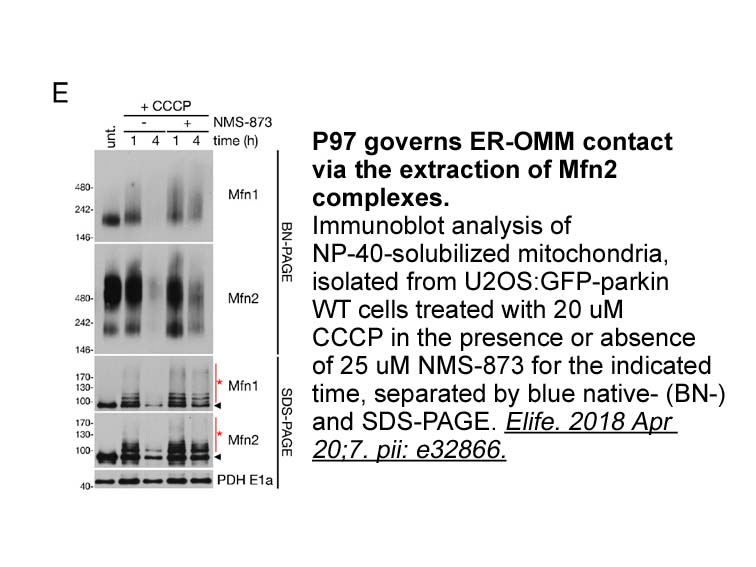
Unlike the CRF1 receptor, the CRF2(a) receptor binds and is activated by agonists with a broad range of potencies. Therefore, we assessed the ability of strong and weak ligands to desensitize retinoblastoma CRF2(a) receptors. Although stresscopin\'s N-terminus is two donepezil hydrochloride longer
-
On top of the hardware ASTS
2020-03-17
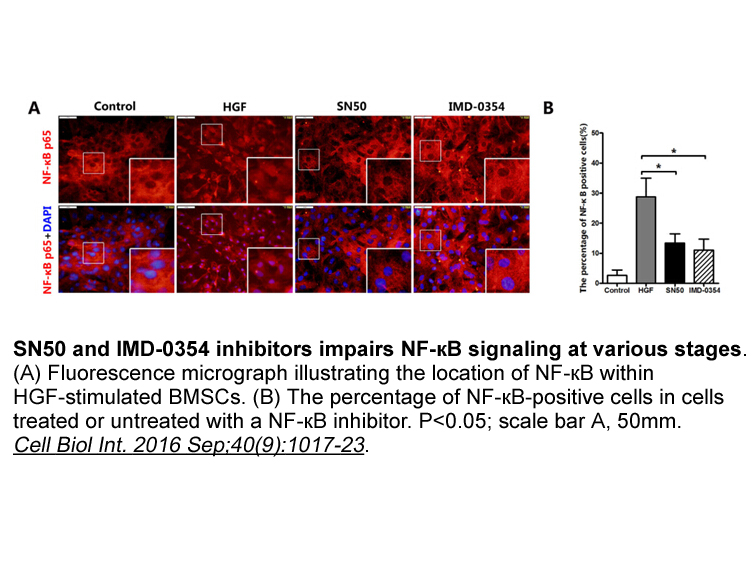
On top of the hardware, ASTS employs Linux SUSE with High-Availability (HA) Extension: a COTS OS provided with two clustering software (Pacemaker Cluster Resource Manager (CRM) and Corosync) responsible for resources orchestration, failure diagnosis, nodes coordination, and fail-over management. The
-
In the particular case of metals several authors showed
2020-03-17

In the particular case of metals, several authors showed that AChE inhibition is somewhat contradictory and even questionable (Frasco et al., 2005, Nunes et al., 2005, Sáenz et al., 2010). Uranium is a particular metal, and one that has been shown to complex with several biologically important prote
-
During the Lapita period in Tonga
2020-03-17

During the Lapita period in Tonga, the Talasiu site would have been an attractive location for human settlement as it overlooked an embayment holding large numbers of sessile and gregarious shellfish close to a fresh water solution channel, with gardening soils immediately inland. However, sea level
-
Unlike many forms of SNHL cCMV may be
2020-03-17
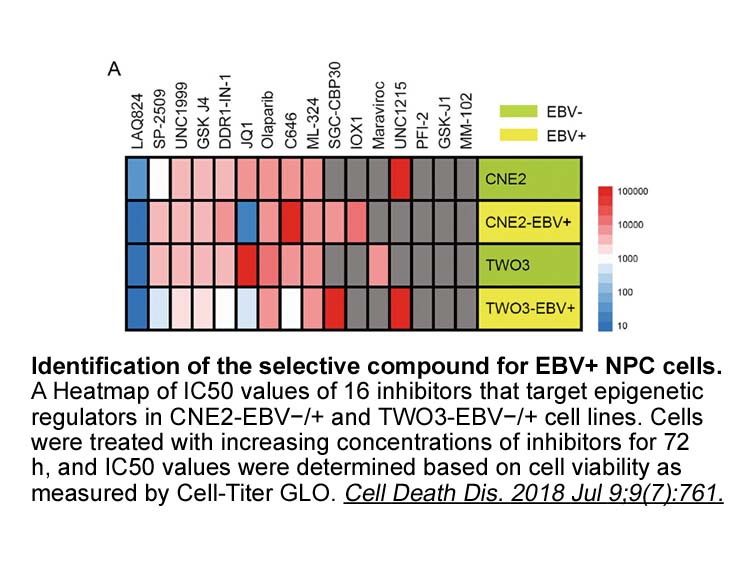
Unlike many forms of SNHL, cCMV may be treatable. The antiviral drug valganciclovir (VGCV) has been proposed to improve hearing, speech, and language outcomes associated with this infection [6]. A recent publication from the CASG (Collaborative Antiviral Study Group) reported that a six-month cours
-
In conclusion the present study
2020-03-17
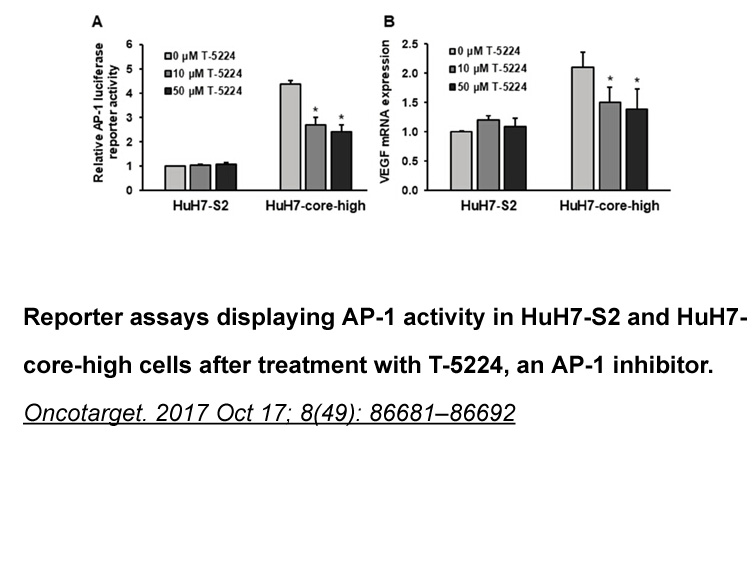
In conclusion, the present study demonstrates that E2\'s antiapoptotic effects are significantly reduced by coadministration of progestogens. The combination of E2 and progestogens resulted in diverging effects on the expressions of ERs and PRs, which induced different effects on the cell growth of
-
Sulfo-NHS-Biotin br Acknowledgements The authors thank Drs C
2020-03-17
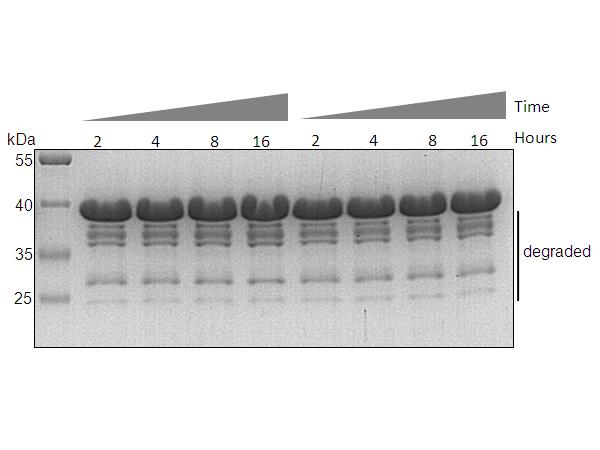
Acknowledgements The authors thank Drs. C. Klein, I. Canisso and A. Claes with assistance in obtaining tissues. Supported by the Albert G. Clay Endowment, University of Kentucky. Introduction Neoplastic cells often develop drug resistance during tumor progression or cancer treatment (Turner a
-
Given its high frequency it is not surprising that different
2020-03-17
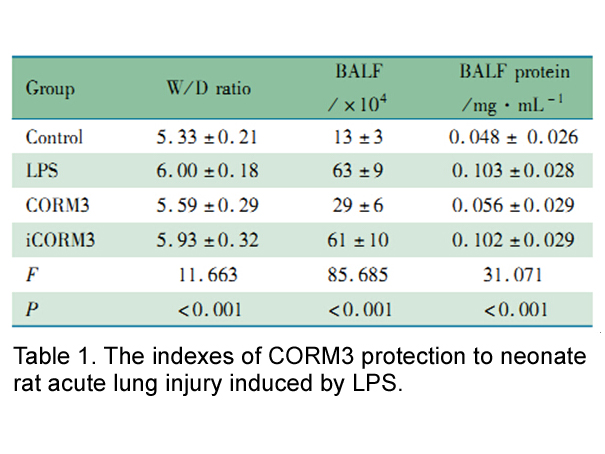
Given its high frequency, it is not surprising that different strategies have been developed to restore the sensitivity of EGFR T790M-mutant Eptifibatide australia to EGFR inhibition. To date, several different strategies have been evaluated in both preclinical and clinical models, but only few have
-
Elevated DPP activity has been strongly associated with diab
2020-03-17
Elevated DPP-4 activity has been strongly associated with diabetes mellitus, IR (Röhrborn et al., 2015), metabolic syndrome (Lamers et al., 2011) and inflammation (Zhong et al., 2015). However, report has it that GC exposure increases DPP-4activity in thymocyte homogenates (Kraml et al., 2003) but
16836 records 918/1123 page Previous Next First page 上5页 916917918919920 下5页 Last page