Archives
- 2026-07
- 2026-06
- 2026-05
- 2026-04
- 2026-03
- 2026-02
- 2026-01
- 2025-12
- 2025-11
- 2025-10
- 2025-09
- 2025-03
- 2025-02
- 2025-01
- 2024-12
- 2024-11
- 2024-10
- 2024-09
- 2024-08
- 2024-07
- 2024-06
- 2024-05
- 2024-04
- 2024-03
- 2024-02
- 2024-01
- 2023-12
- 2023-11
- 2023-10
- 2023-09
- 2023-08
- 2023-07
- 2023-06
- 2023-05
- 2023-04
- 2023-03
- 2023-02
- 2023-01
- 2022-12
- 2022-11
- 2022-10
- 2022-09
- 2022-08
- 2022-07
- 2022-06
- 2022-05
- 2022-04
- 2022-03
- 2022-02
- 2022-01
- 2021-12
- 2021-11
- 2021-10
- 2021-09
- 2021-08
- 2021-07
- 2021-06
- 2021-05
- 2021-04
- 2021-03
- 2021-02
- 2021-01
- 2020-12
- 2020-11
- 2020-10
- 2020-09
- 2020-08
- 2020-07
- 2020-06
- 2020-05
- 2020-04
- 2020-03
- 2020-02
- 2020-01
- 2019-12
- 2019-11
- 2019-10
- 2019-09
- 2019-08
- 2019-07
- 2019-06
- 2019-05
- 2019-04
- 2018-11
- 2018-10
- 2018-07
-
G protein coupled receptor GPCR ligands can be
2022-06-14
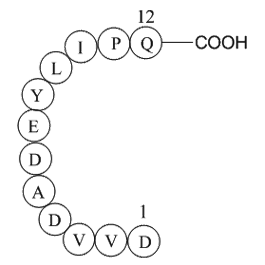
G-protein-coupled receptor (GPCR) ligands can be classified as either orthosteric or allosteric modulators. Orthosteric and endogenous ligands bind to the same site, which is topologically distinct from the allosteric site. In general, the binding domains of different orthosteric ligands may not exa
-
Several studies have shown that regulation
2022-06-14
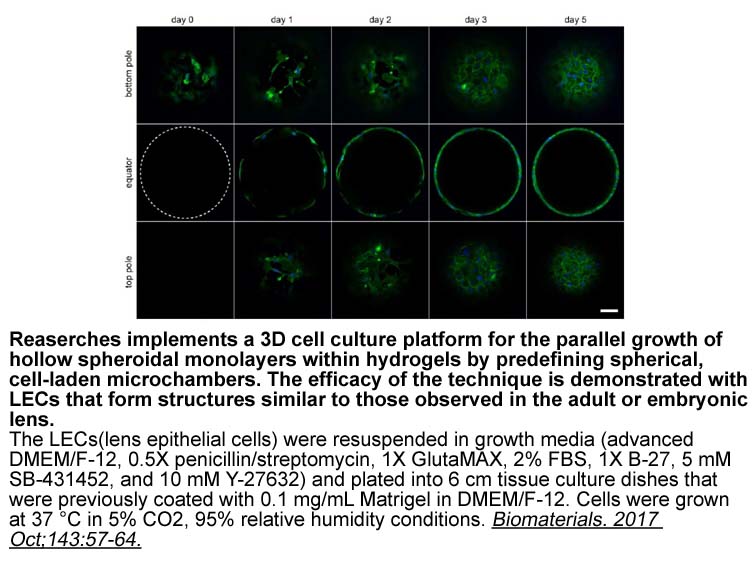
Several studies have shown that regulation of glutamate homeostasis is critical in relapse to many drugs of abuse [84,85]. Glutamate is transported by GLT-1, which accounted for about 90% of glutamate clearance from the synaptic cleft [14,15]. CEF is known to produce its effects through GLT-1 upregu
-
Transmembrane AMPA receptor regulatory proteins TARPs are a
2022-06-14
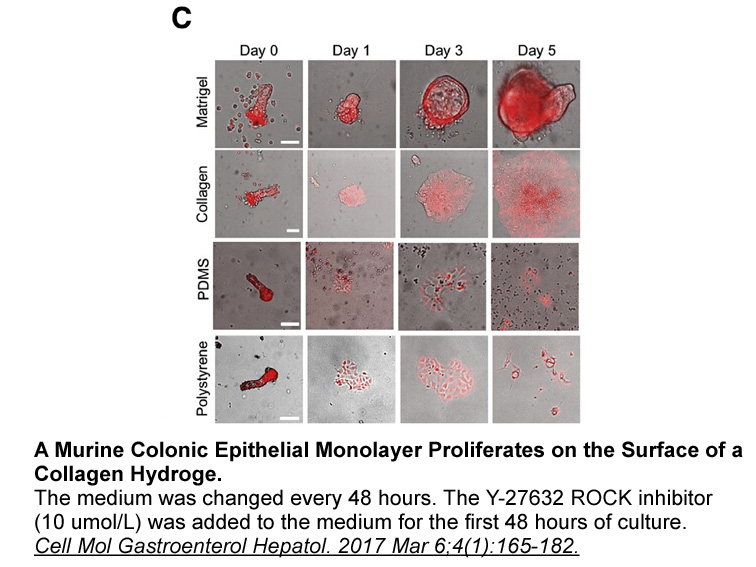
Transmembrane AMPA receptor regulatory proteins (TARPs) are a relatively newly discovered protein family. Prototypic TARP, stargazin, was found by a spontaneous mutation in ataxic stargazer mouse line as a homologous protein to γ1 calcium channel subunit (Letts et al., 1998). The role of stargazin i
-
br Experimental section br Introduction Fasting hyperglycaem
2022-06-14
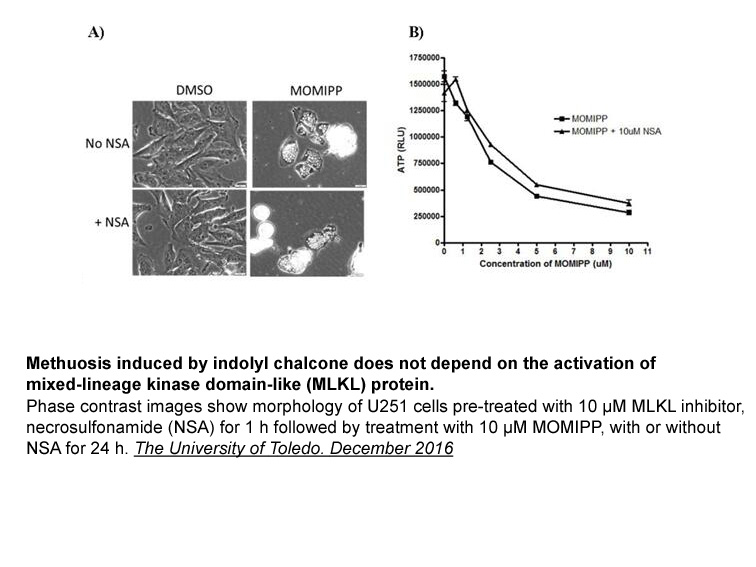
Experimental section Introduction Fasting hyperglycaemia in all forms of diabetes mellitus occurs primarily as a result of upsurge in hepatic glucose synthesis (HGS) [1], [2]. Two specific enzymes, glucokinase (GK) and glucose-6 phosphatase (Glu-6-Pase) play crucial role in hepatic glucose pro
-
Aprotinin br Materials and methods br Results br Discussion
2022-06-14
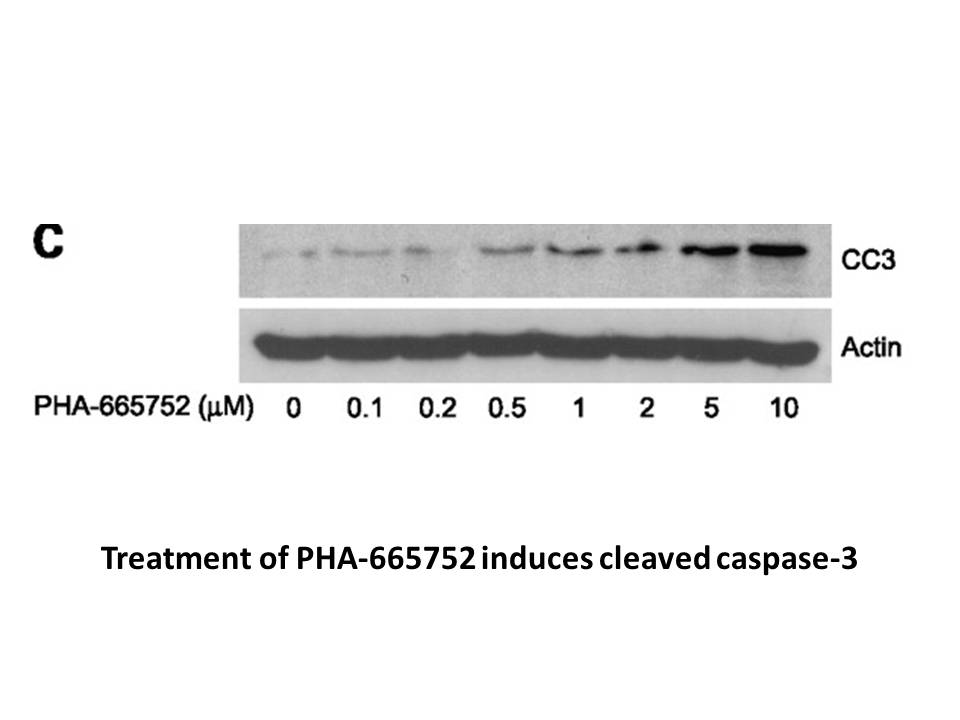
Materials and methods Results Discussion Our liver-specific Gck (−/−) mice and another line of liver-specific mice [13] exhibited impaired glucose tolerance. Furthermore, both knockout mice showed decreased hepatic glycogen content and reduced Pklr and Fas gene Aprotinin in the liver [11].
-
br Glucocorticoid receptor and metabolic syndrome GCs acting
2022-06-14
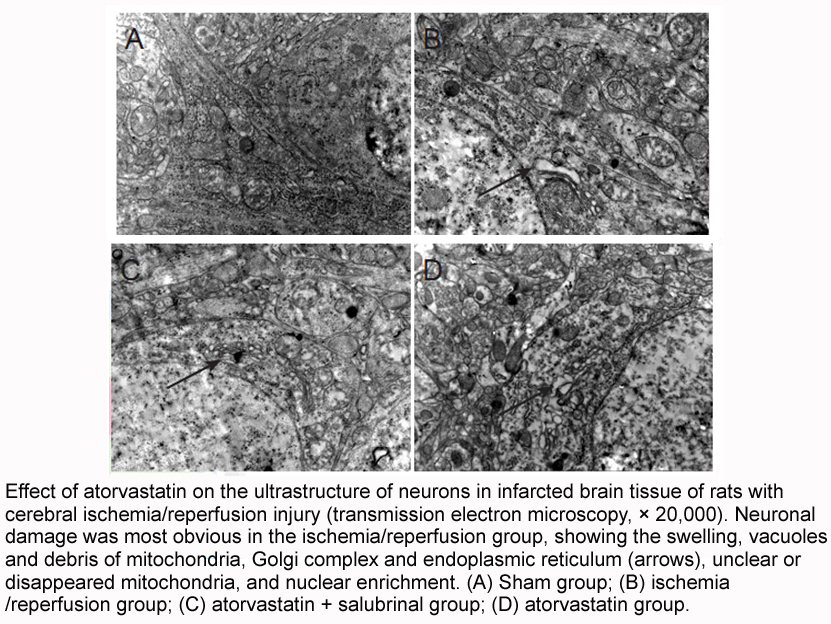
Glucocorticoid receptor and metabolic syndrome GCs acting through the GR regulate key enzymes of glucose metabolism in the liver, skeletal muscle, adipose tissue and the pancreas. In the liver, GCs regulate the expression of major gluconeogenic enzymes such as phosphoenolpyruvate carboxykinase, g
-
Gap junction channels exhibit different
2022-06-14
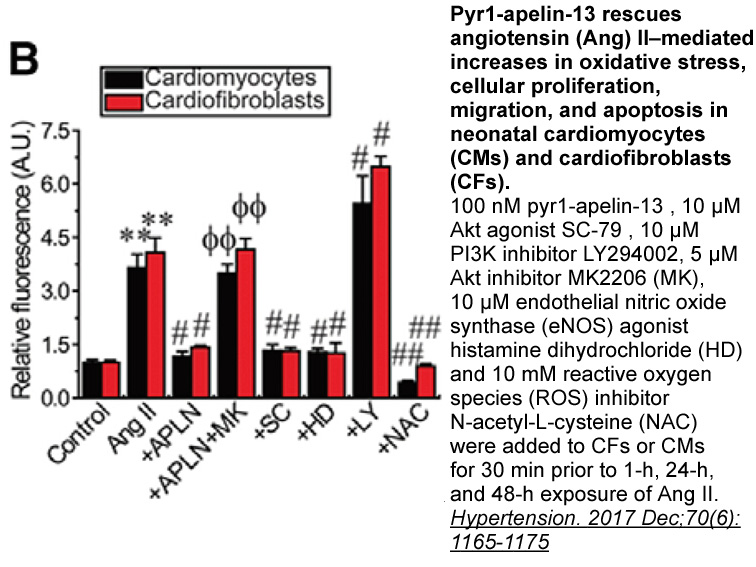
Gap junction channels exhibit different types of gating properties. One alternative mechanism that should be mentioned is loop gating in which the extracellular loop of connexin assumes a configuration to form a narrow pathway for closure of unopposed hemichannels [53] and docked junction channels [
-
Isolation and application of cold adapted
2022-06-14
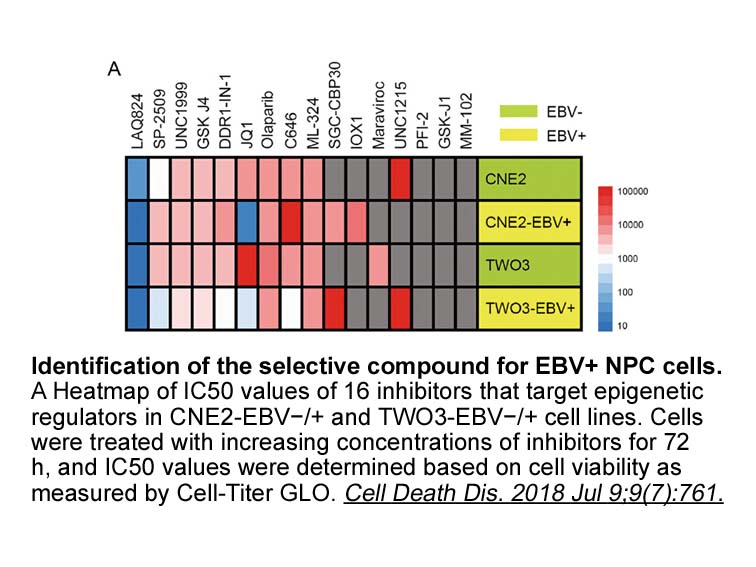
Isolation and application of cold-adapted β-galactosidase in the production of low lactose dairy products would play a critical role in improving access to low lactose dairy products for lactose intolerant individuals [9,11]. Milk contains high levels of K+, Ca2+, and Na+, and β-galactosidase used i
-
In the upper part of the intestine a small
2022-06-14

In the upper part of the intestine a small amount of conjugated BAs are reabsorbed via passive diffusion, whereas the part of BAs that escape enterohepatic circulation passes into the colon where they undergo bacterial conversions such as deconjugation, dehydroxylation or dehydrogenation, into secon
-
Introduction Osteoclasts are large multinuclear
2022-06-14
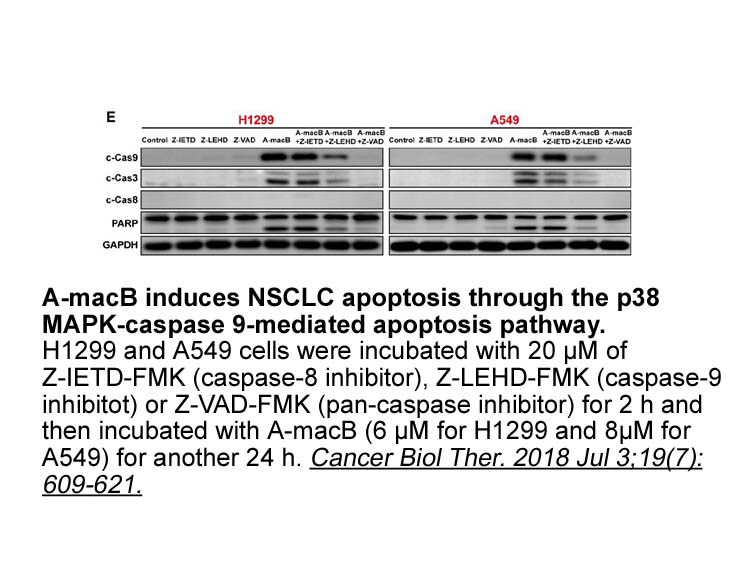
Introduction Osteoclasts are large, multinuclear Moxifloxacin HCl that are responsible for the resorption (breakdown) of bone [1]. Together with osteoblasts, the bone forming cell, they maintain the integrity of the skeleton through constant resorption and repair of bone. Osteoclast precursors of m
-
uPAR promotes cell associated proteolysis by binding to
2022-06-14
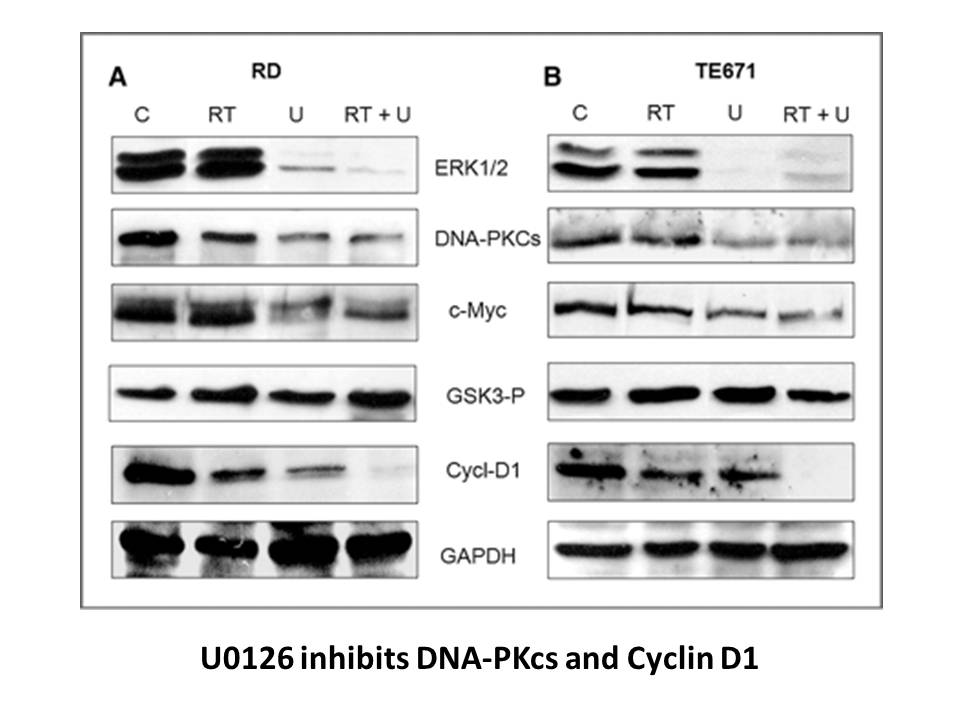
uPAR promotes cell-associated proteolysis by binding to uPA which locally converts plasminogen into active plasmin [10]. Ligand-engaged uPAR also acts as a potent regulator of cell migration and matrix attachment. Being a membrane receptor, uPAR needs to interact with extracellular matrix (ECM) prot
-
Akt mTOR signaling pathway is a major negative
2022-06-14
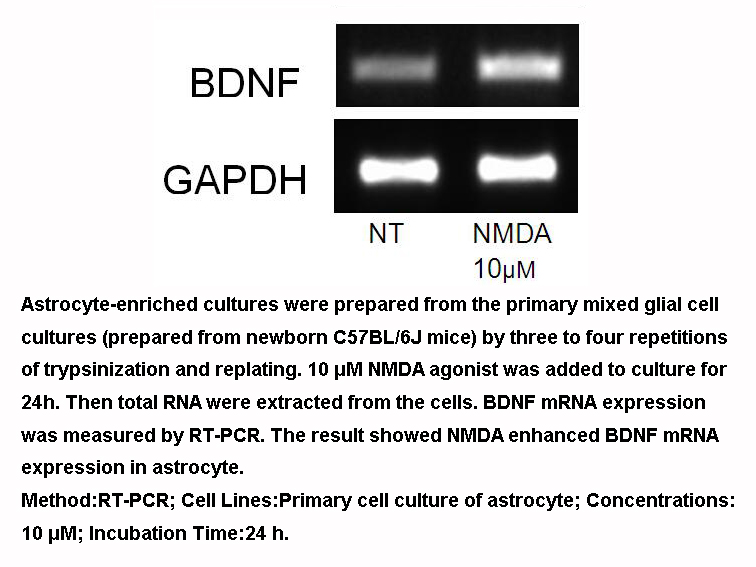
Akt/mTOR signaling pathway is a major negative regulator of autophagy, via modulating ULK1 complex. It is well established that Inhibition of mTOR by deprivation of nutrients or growth factors, led to dephosphorylation of ULK1, ULK2, and Atg13 in human cells, which is a key step for ULK1 complex ass
-
Herein we report the discovery
2022-06-14
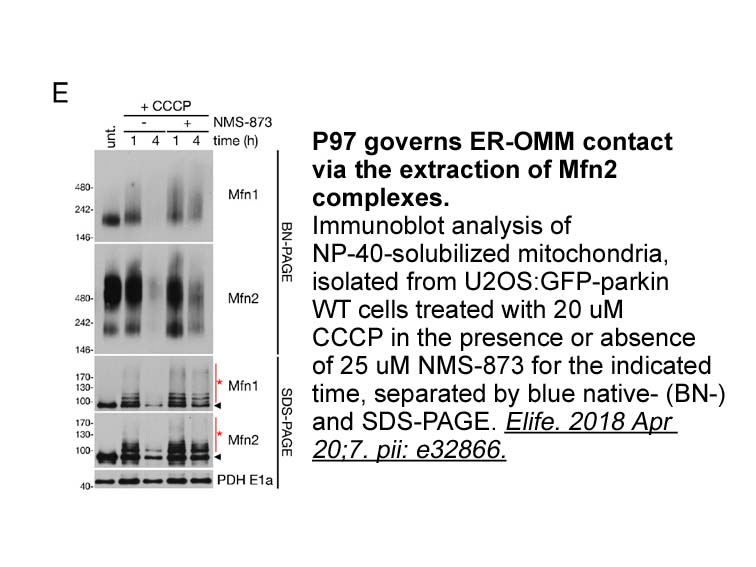
Herein, we report the discovery of AM-3189 (). AM-3189 maintains the in vivo efficacy of AMG 837 while displaying a superior pharmacokinetic profile and minimal CNS exposure. As we reported previously, activity on the GPR40 receptor varies significantly with substitution at the β-carbon relative to
-
A common feature of ferroptosis is the iron dependent accumu
2022-06-14
A common feature of ferroptosis is the iron-dependent accumulation of lipid-ROS and the subsequent depletion of polyunsaturated fatty SCH 727965 phospholipids (PUFA-PLs) [118]. The PUFA chains of membrane lipids are more susceptible to both enzymatic and non-enzymatic oxidation, which results in PU
-
Fatty acid amide hydrolase FAAH is a membrane
2022-06-14
Fatty p-Cresyl sulfate amide hydrolase (FAAH) is a membrane-bound enzyme which releases arachidonic acid and ethanolamine by breaking amide bond of AEA. It also controls the cellular uptake of AEA, by creating and maintaining an inward concentration gradient leading to AEA-facilitated diffusion via
16846 records 463/1124 page Previous Next First page 上5页 461462463464465 下5页 Last page