Archives
- 2026-07
- 2026-06
- 2026-05
- 2026-04
- 2026-03
- 2026-02
- 2026-01
- 2025-12
- 2025-11
- 2025-10
- 2025-09
- 2025-03
- 2025-02
- 2025-01
- 2024-12
- 2024-11
- 2024-10
- 2024-09
- 2024-08
- 2024-07
- 2024-06
- 2024-05
- 2024-04
- 2024-03
- 2024-02
- 2024-01
- 2023-12
- 2023-11
- 2023-10
- 2023-09
- 2023-08
- 2023-07
- 2023-06
- 2023-05
- 2023-04
- 2023-03
- 2023-02
- 2023-01
- 2022-12
- 2022-11
- 2022-10
- 2022-09
- 2022-08
- 2022-07
- 2022-06
- 2022-05
- 2022-04
- 2022-03
- 2022-02
- 2022-01
- 2021-12
- 2021-11
- 2021-10
- 2021-09
- 2021-08
- 2021-07
- 2021-06
- 2021-05
- 2021-04
- 2021-03
- 2021-02
- 2021-01
- 2020-12
- 2020-11
- 2020-10
- 2020-09
- 2020-08
- 2020-07
- 2020-06
- 2020-05
- 2020-04
- 2020-03
- 2020-02
- 2020-01
- 2019-12
- 2019-11
- 2019-10
- 2019-09
- 2019-08
- 2019-07
- 2019-06
- 2019-05
- 2019-04
- 2018-11
- 2018-10
- 2018-07
-
It remains unclear to what
2024-02-10
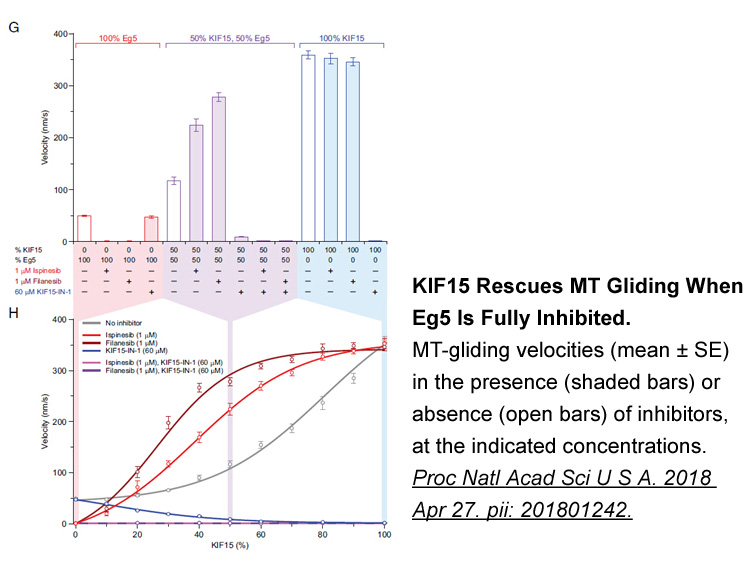
It remains unclear to what extent UCP2 and UCP3 are subject to the same acute molecular regulation as UCP1 (and the extent to which they share the same mechanism of uncoupling). Although they lack sequence homology in a matrix-localised region reportedly critical for fatty XAP044 activation of UCP1
-
Interestingly we noticed that LPS exposure was associated
2024-02-09

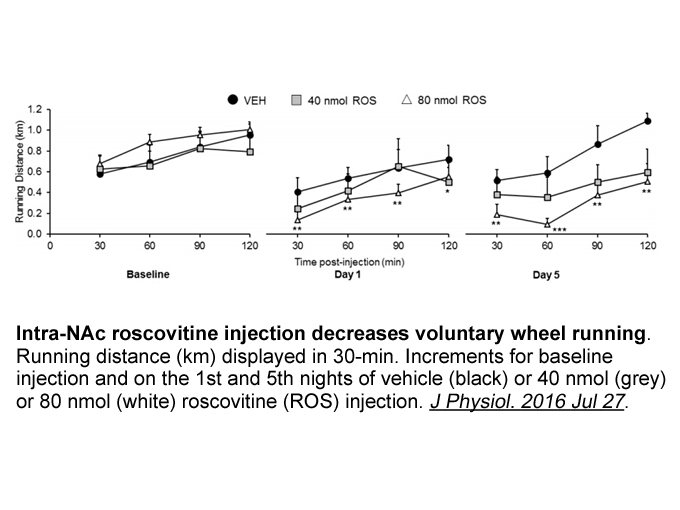
Interestingly, we noticed that LPS exposure was associated with decreased phosphorylation of AMPK and increased phosphorylation of p70S6K1, suggesting that AMPK inactivation and the subsequent mTOR activation might be involved in the development of LPS-induced inflammation. On the other side, treatm
-
br Experimental section br Abbreviations
2024-02-09
Experimental section Abbreviations PSA, puromycin–sensitive aminopeptidase; APN, aminopeptidase N; AML, acute myeloid Leukemia; ALL, acute lymphoblastic leukemia; AADR, amino Ac-DEVD-AFC deprivation response; PAN, puromycin aminonucleoside; DCC, dicyclohexyl carbodiimide; NHS, N–hydroxy succin
-
It is reported that Adiponectin is able
2024-02-09
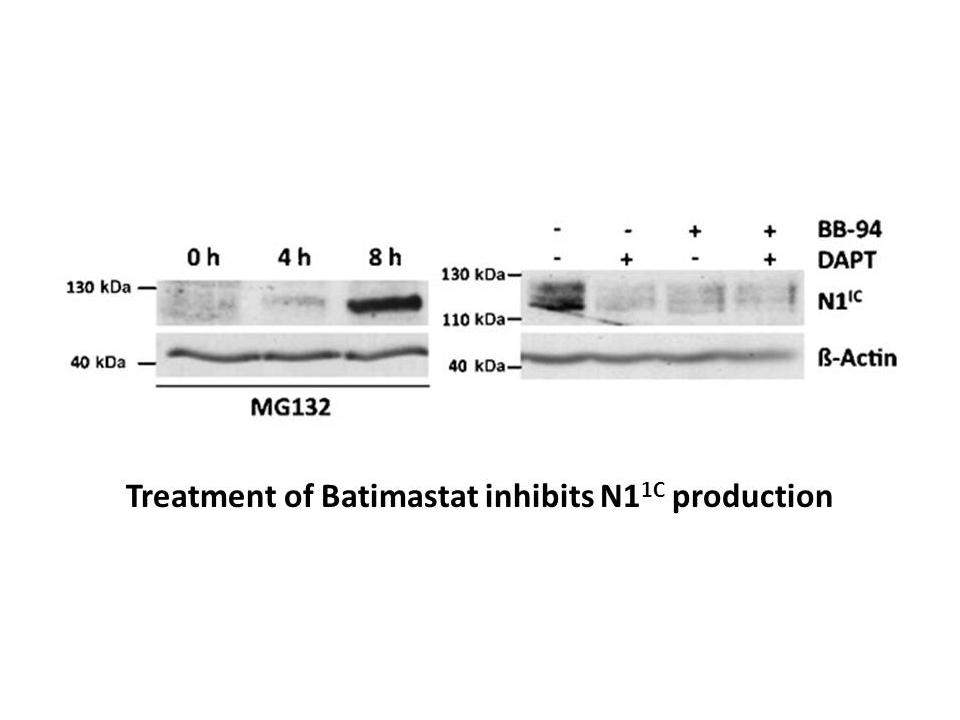
It is reported that Adiponectin is able to suppress NF-κB pathway, and Bcr-Abl fusion oncoprotein in CML activates NF-κB by stimulating its nuclear translocation and also by enhancing its transactivation function [25], [26]. Therefore, it is tempting to hypothesize that NF-κB pathway might be involv
-
br Materials and methods br Results br Discussion Very
2024-02-09
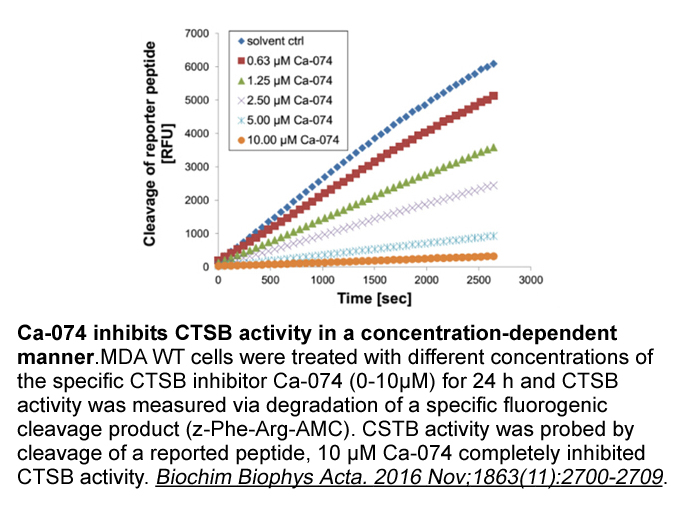
Materials and methods Results Discussion Very few ARF inhibitors have been developed to study the key functions these small GTP-binding proteins play in pathophysiology. The natural compound Brefeldin A (BFA) has exhibited drastic effects in cells such as collapse of the Golgi because of it
-
Since the beginning of s more than papers
2024-02-07
Since the beginning of 1990s, more than 17,000 papers about physiological relevance of antioxidants have been published according to data from web of science. Based on the available literature, it seems that assessing the antioxidant potential of food by means of in vitro assays or solely epidemiolo
-
br Eprosartan The AT R antagonist
2024-02-07
Eprosartan The AT1R antagonist eprosartan is approved for the treatment of essential alk pathway and may be administered using a convenient once-daily regimen. The drug is a well-tolerated and effective antihypertensive agent with benefit in the secondary prevention of cerebrovascular events, in
-
Linagliptin is a recently approved dipeptidyl peptidase DPP
2024-02-07

Linagliptin is a recently approved dipeptidyl peptidase-4 (DPP-4) inhibitor and widely considered as first-line treatment for patients with type 2 diabetes. DPP-4 is responsible for the inactivation of incretin hormones, such as glucagon-like peptide 1 (GLP-1). GLP-1 is released by the intestine aft
-
Compelling evidence now indicates that DR is
2024-02-07
Compelling evidence now indicates that DR is a multifactorial disease that involves chronic inflammation at every stage, from initiation to progression and eventually to ischemia and NV [6,7]. Data from animal studies suggest that leukocyte-endothelial cell adhesion and entrapment (leukostasis) are
-
br Introduction Chronic kidney disease CKD is
2024-02-07
Introduction Chronic kidney disease (CKD) is a worldwide public health problem. This problem is even worse in socioeconomically deprived countries because lower income and social deprivation are associated with higher incidence of reduced GFR, progressive kidney function loss and end stage renal
-
A key building block in MT
2024-02-07
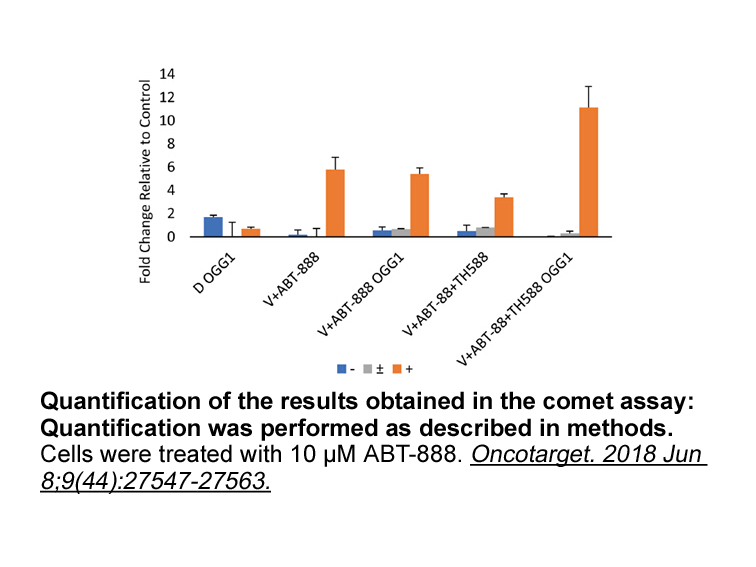
A key building block in MT-SGL is the computation of the proximal operator in (12) when is the multi-task sparse group lasso regularizer given byFor MT-SGL, the iterates x ≡ Θ are matrices, and the proximal operator is computed at z ≡ Z = Θ + α(Θ − Θ). For the loss function L(·) corresponding to Gau
-
Considering our previous results with cfDNA
2024-02-07
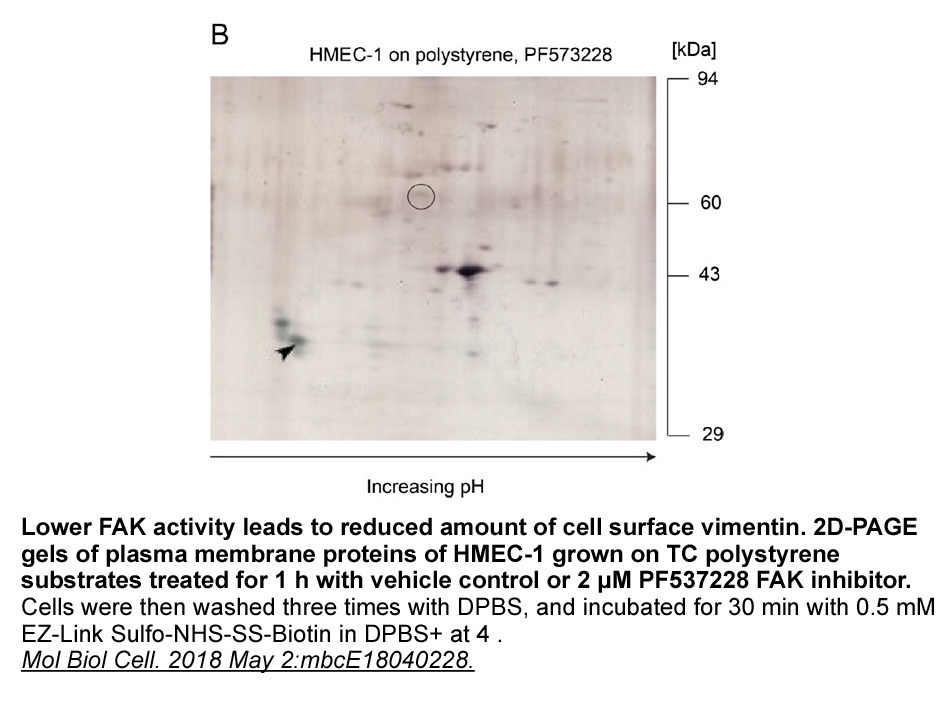
Considering our previous results with cfDNA in EGFR TKI-resistant NSCLC patients and growing evidence about different mutations in the ALK kinase domain as responsible for acquired resistance to ALK TKIs, we planned this study. Even if a next-generation sequencing approach after PD during crizotini
-
br Translational Considerations Targeting the AHR Pathway Mo
2024-02-07
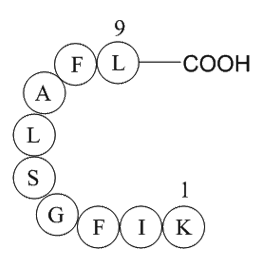
Translational Considerations Targeting the AHR Pathway Modulating AHR function offers exciting therapeutic potential in host immunity and inflammation. However, the emerging concept of AHR function in a cell type-specific manner, combined with differences between AHR activation in cell culture in
-
In the current study adiponectin receptors expressions were
2024-02-07
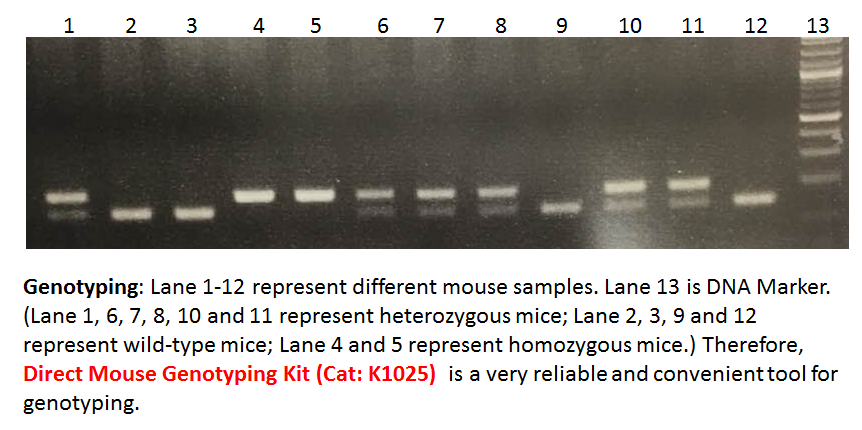
In the current study, adiponectin receptors expressions were detected in both cell lines. AdipoR2 showed equal expression levels, whereas AdipoR1 possessed different expression levels in both cell lines. There was a significant increase in the AdipoR1 mRNA levels in cell lines according to AdipoR2 m
-
In this study an in vitro
2024-02-06
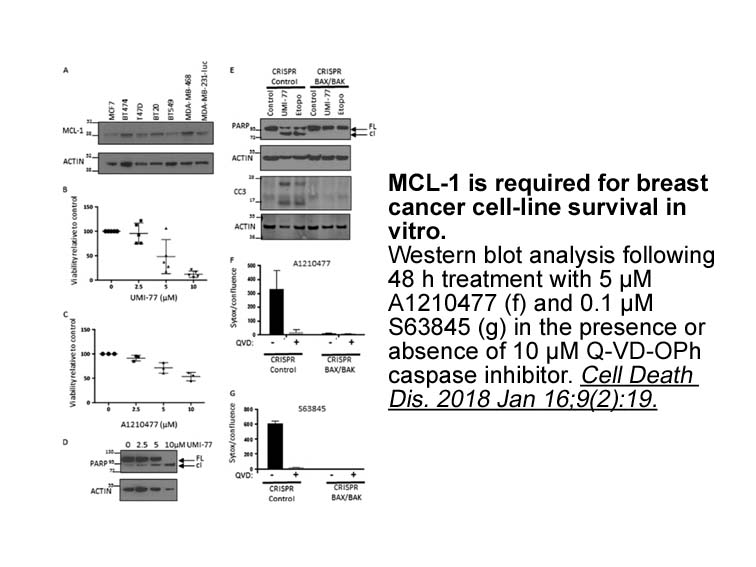
In this study, an in vitro AChE inhibition assay combined with UF-HPLC-ESI-Q-TOF/MS method was developed for rapid screening and identification of AChEI from the roots of C. chinensis Franch. Five compounds was found with AChE inhibitory activity and identified by the on-line DAD-ESI-Q-TOF/MS compar
16836 records 219/1123 page Previous Next First page 上5页 216217218219220 下5页 Last page